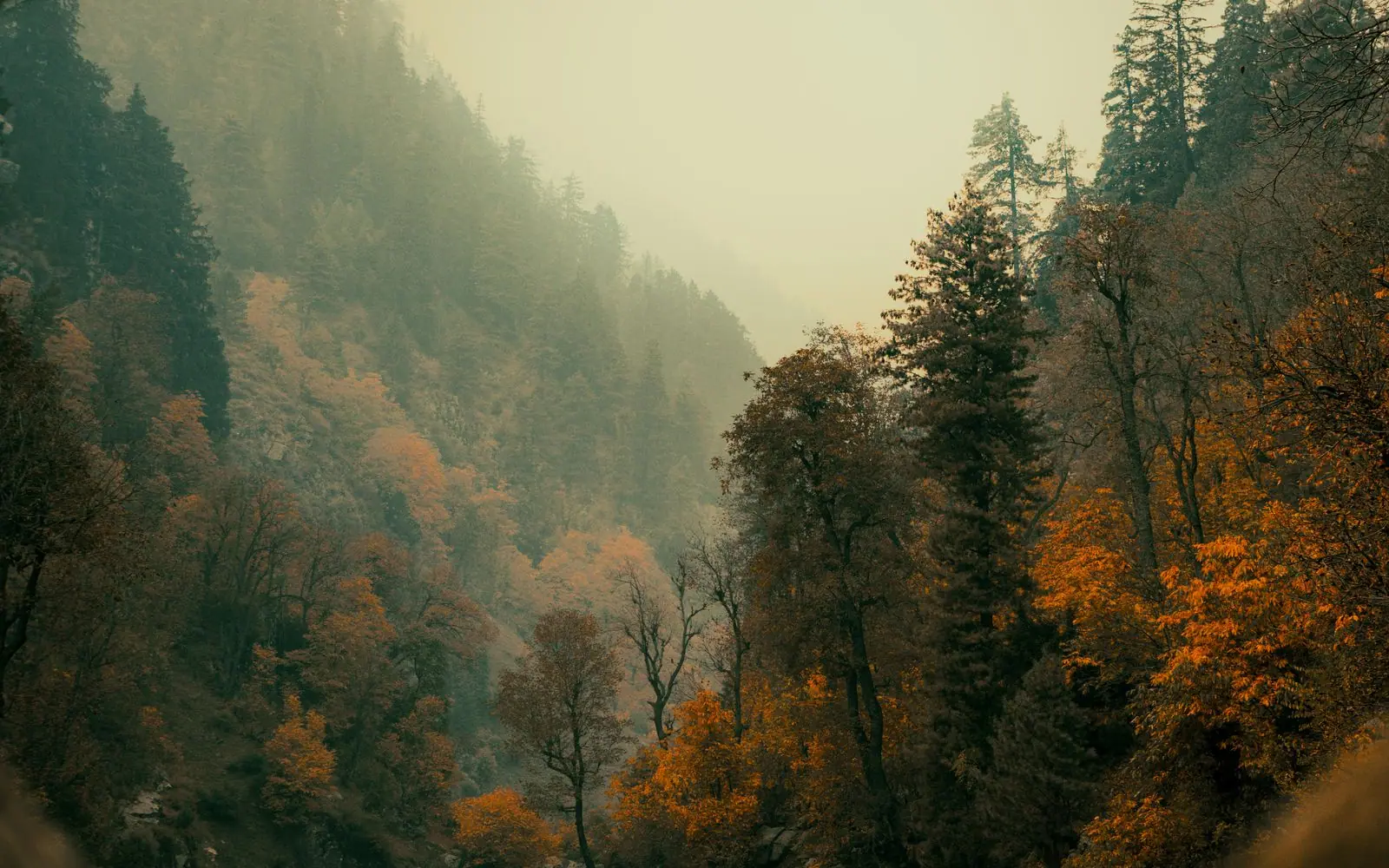
The Japanese have a word for it: shinrin-yoku, or forest bathing. It is not hiking. There is no summit, no distance to cover, no pace to keep. It is the simple, deliberate practice of being among trees with all of your senses open.
The research is more interesting than you might expect. Time spent in forested environments has been associated with lower cortisol, slower heart rate, and a measurable shift toward the calm, parasympathetic side of the nervous system. Some of this is attributed to phytoncides — compounds released by trees — and some, surely, to simply being somewhere that asks nothing of us.
On our guided walks, we move slowly and stop often. We notice the smell of the soil after rain, the particular green of moss, the sound of the canopy moving. We do not talk much. The forest does the work.
You do not need our trails. A park, a line of trees, a single old oak will do. Leave the headphones. Walk slower than feels natural. Stay long enough to forget you came to feel better — that is usually when you do.
Ready to practice this in person?
A few quiet nights in the hills can reset everything.
Plan your stay